Behavioral Science and Psychology
Recursos
1651–1700 de 4306
Cerca avançada
-
 Reflections on the Learning Sciences
 -
 Toward a Healthy Society
 -
 Discontinuity in Learning
 -
 The Science of Children's Religious and Spiritual Development
 -
 Power, Powerlessness and Addiction
 -
 Giftedness in Childhood
 -
 Mindfulness and Performance
 -
 Echoes of the Trauma
 -
 Alexithymia
 -
 The Cambridge Handbook of Workplace Affect
 -
 Seminars in Addiction Psychiatry
 -
 Beyond Communities of Practice
 -
 Reasoning and Choice
 -
 Psychology and Catholicism
 -
 The Self-Society Dynamic
 -
 International Handbook of Intelligence
 -
 A Guide to the Mental Health of Children and Young People
 -
 Private Speech, Executive Functioning, and the Development of Verbal Self-Regulation
 -
 From Neuropsychology to Mental Structure
 -
 Toward a Process Approach in Psychology
 -
 Child Helpers
 -
 Identity Process Theory
 -
 What Science Offers the Humanities
 -
 The Cambridge Handbook of Forensic Psychology
 -
 John Dewey's 'Human Nature and Conduct'
 -
 Language Evolution
 -
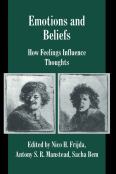 Emotions and Beliefs
 -
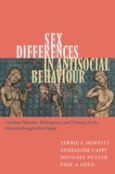 Sex Differences in Antisocial Behaviour
 -
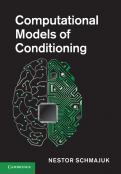 Computational Models of Conditioning
 -
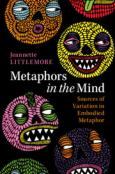 Metaphors in the Mind
 -
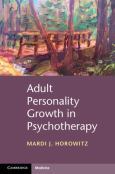 Adult Personality Growth in Psychotherapy
 -
 Human Development across Lives and Generations
 -
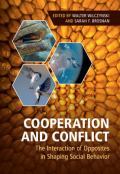 Cooperation and Conflict
 -
 Vygotsky for Educators
 -
 Values, Religion, and Culture in Adolescent Development
 -
 Competition and Control during Working Memory
 -
 Loneliness in Childhood and Adolescence
 -
 Non-Emerging Adulthood
 -
 Power in Close Relationships
 -
 The Mind at Work
 -
 The Psychology of System Change and Resistance to Change
 -
 Personality and Close Relationship Processes
 -
 Emotional Worlds
 -
 Should You Believe Wikipedia?
 -
 The Neuroscience of Intelligence
 -
 Technology in Action
 -
 Routes to Child Language
 -
 Temperament and Child Development in Context
 -
 The Foundation of the Unconscious
 -
 The Cambridge Handbook of Human Affective Neuroscience
1651–1700 de 4306